



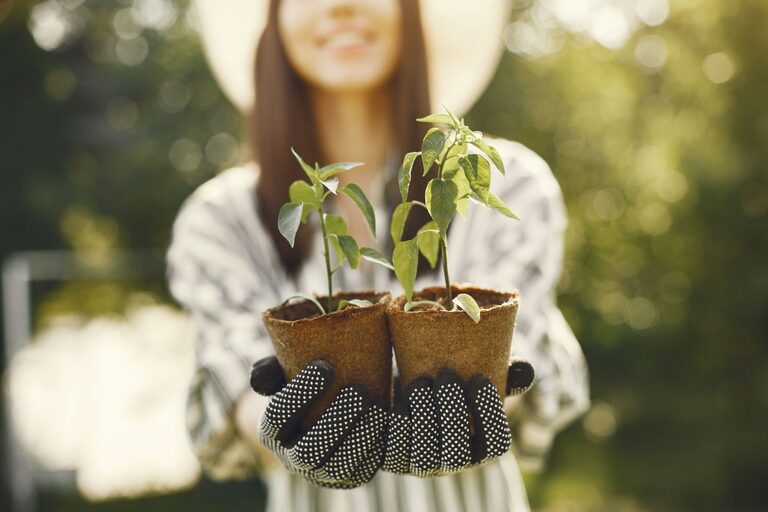
Creating a sustainable home garden is a rewarding way to enjoy fresh produce, support local wildlife, and reduce your environmental footprint. By planning and nurturing your garden throughout the year, you can maximize its benefits while conserving resources. This guide offers practical tips for maintaining a sustainable garden in every season.
What is a Sustainable Home Garden?
A sustainable home garden focuses on eco-friendly practices such as water conservation, soil health, biodiversity, and minimal use of synthetic chemicals. It aims to create a healthy environment where plants, animals, and humans coexist beneficially and resources are used wisely.
—
Planning Your Garden for Year-Round Success
Choose the Right Plants
Selecting native or adapted plants is key to sustainability. These plants are more resistant to local pests, require less water, and thrive naturally in your environment. Consider including a variety of vegetables, herbs, flowers, and shrubs to support biodiversity.
Use Seasonal Planting
Plan your garden layout based on seasonal cycles. By rotating crops and aligning plant choices with the seasons, you can enhance soil health and reduce pest issues. For example:
– Spring: Plant cool-season vegetables such as lettuce, spinach, and peas.
– Summer: Grow tomatoes, peppers, and beans.
– Fall: Sow root vegetables and cover crops.
– Winter: Use frost-tolerant plants or prepare the soil for spring.
—
Soil Health: The Foundation of Sustainability
Composting
Create your own compost from kitchen scraps, garden clippings, and leaves. Compost improves soil structure, fertility, and moisture retention without chemical fertilizers.
Mulching
Apply organic mulch like straw, wood chips, or shredded leaves to suppress weeds, reduce evaporation, and add nutrients as it decomposes.
Cover Crops
Between main crops, plant cover crops such as clover or rye. They help prevent soil erosion, fix nitrogen, and maintain soil moisture.
—
Water Wisely
Collect Rainwater
Use rain barrels or other collection systems to capture rainwater for garden use. This reduces dependence on tap water and lowers bills.
Drip Irrigation or Soaker Hoses
These watering methods deliver moisture directly to plant roots, minimizing evaporation and water waste compared to overhead sprinklers.
Water at Optimal Times
Water early in the morning or late in the afternoon when temperatures are cooler to reduce evaporation loss.
—
Encourage Beneficial Wildlife
Pollinators and Natural Pest Control
Plant flowers like daisies, lavender, and sunflowers to attract bees, butterflies, and other pollinators that help your garden thrive.
Invite natural predators such as ladybugs and birds by providing habitats like birdhouses, insect hotels, or small ponds.
Avoid Harmful Chemicals
Reduce or eliminate the use of pesticides and herbicides. Instead, employ manual weeding, companion planting, and organic pest management.
—
Practice Crop Rotation and Companion Planting
Rotating crops yearly prevents nutrient depletion and interrupts pest and disease cycles. Companion planting involves growing certain plants together for mutual benefits. For example:
– Basil planted near tomatoes improves tomato flavor and repels flies.
– Marigolds deter nematodes and attract beneficial insects.
—
Maintenance Tips for a Sustainable Garden
– Prune regularly: Remove dead or diseased parts to promote healthy growth.
– Harvest wisely: Pick fruits and vegetables as they ripen to encourage further production.
– Save seeds: Collect seeds from healthy plants to propagate naturally the following year.
– Limit lawn area: Consider replacing traditional lawn with ground cover plants or native grasses that require less water and mowing.
—
Preparing for Seasonal Changes
Winter Preparation
Protect perennial plants with mulch or frost covers. Clean and store garden tools properly to extend their lifespan.
Spring Renewal
Test your soil and amend it if necessary before planting. Remove weeds and old plant debris to reduce disease risk.
—
Benefits of a Sustainable Home Garden
– Healthier food: Grow fresh, chemical-free fruits and vegetables.
– Environmental impact: Reduce water and energy use while supporting local ecosystems.
– Cost savings: Lower grocery bills and minimize garden supply expenses.
– Personal satisfaction: Enjoy the mental and physical benefits of gardening.
—
By following these tips, you can create a thriving sustainable garden that provides beauty and bounty throughout the year. Start small, plan thoughtfully, and watch your garden grow into a green sanctuary that benefits both you and the planet. Happy gardening!