


Creating a home office that feels both cozy and productive is essential for anyone working remotely or managing tasks from home. A space that balances comfort with functionality can improve focus, reduce stress, and make your workday more enjoyable. Whether you have a dedicated room or just a small corner, these tips will help you create a home office designed to suit your needs.
Choose the Right Location
Find a Quiet Spot
Start by selecting a location in your home that minimizes distractions. This could be a spare bedroom, a corner of your living room, or even a nook near a window. Ideally, it should be away from high-traffic areas like the kitchen or main hallways.
Consider Natural Light
Natural light can boost mood and energy, so try to position your desk near a window if possible. If natural light is limited, invest in good-quality artificial lighting that mimics daylight to reduce eye strain.
Invest in Comfortable and Functional Furniture
Ergonomic Chair and Desk
Your comfort matters. An ergonomic chair that supports your back will help prevent discomfort during long working hours. A desk at the right height to avoid strain is also crucial. Adjustable desks are a great option if you prefer alternating between sitting and standing.
Organize with Storage Solutions
Clutter can hinder productivity. Use shelves, filing cabinets, or storage boxes to keep your workspace tidy. Choose attractive storage that complements your office style for a cohesive look.
Personalize Your Workspace
Add Cozy Textiles
Incorporate cozy elements like a soft rug, cushions, or a throw blanket. These details can make your office feel inviting and help you feel relaxed during breaks.
Bring in Greenery
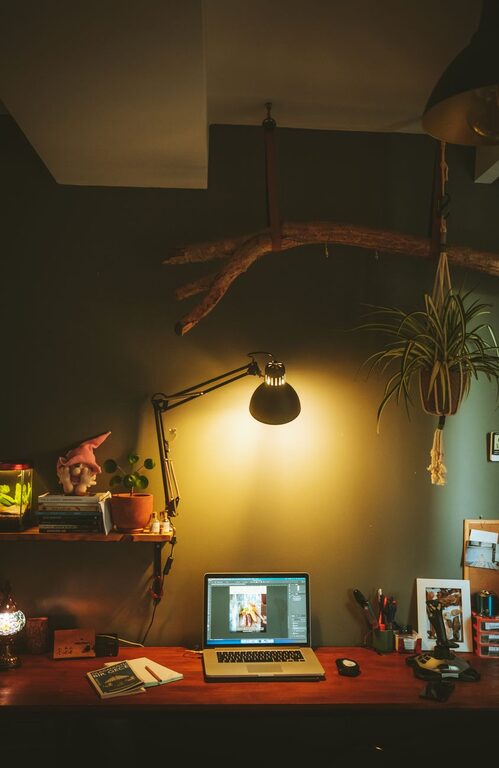
Plants are fantastic for home offices. They improve air quality and add a touch of nature, which can reduce stress and boost creativity. Choose low-maintenance plants like succulents or spider plants if you’re new to gardening.
Optimize Your Technology Setup
Reliable Internet and Equipment
Ensure your internet connection is strong to avoid interruptions. Use quality headphones or speakers, a good webcam, and any other equipment needed for your work. Keep cables organized with clips or covers to prevent tangling.
Use Monitor Stands or Laptop Risers
Position monitors or laptops at eye level to maintain good posture and reduce neck and eye strain. Adjustable monitor stands or risers are affordable and effective solutions.
Manage Lighting and Ambience
Layer Your Lighting
Combine different types of lighting — ambient, task, and accent — to create a balanced and comfortable environment. Desk lamps with adjustable brightness can help when working late or on detailed tasks.
Control Temperature and Ventilation
A space that’s too hot or cold can distract you. Use a fan, heater, or open a window to keep the room at a comfortable temperature. Good ventilation is also important for staying alert.
Create a Work Routine and Boundaries
Designate Work Hours
Set specific work hours to help your brain switch into “work mode” and avoid burnout. Use alarms or calendar reminders if needed.
Separate Work and Relaxation Zones
If space allows, separate your office area from where you relax to better disconnect when the workday ends. This physical boundary reinforces mental boundaries.
Add Inspirational and Functional Decor
Use a Bulletin Board or Whiteboard
Keeping a board nearby for notes, deadlines, or motivational quotes keeps you organized and focused.
Display Personal Mementos
Photos, artwork, or meaningful objects can inspire you and make your office uniquely yours without causing distraction.
Keep It Clean and Maintain Your Space
Regularly Declutter
Set aside a few minutes each day or week to tidy your space. Keeping your office clean helps maintain a clear mind.
Refresh Your Space Occasionally
Changing your setup, adding new decor, or even simply rearranging furniture can keep your home office feeling fresh and inviting.
—
Creating a cozy and productive home office is about blending comfort with efficiency. By paying attention to your environment, furniture, lighting, and personal touches, you can craft a space that supports your work while making you feel good throughout the day. Start small, and gradually tweak your workspace until it feels just right for you.