


Creating a relaxing home office environment is essential for maintaining focus, reducing stress, and enhancing overall productivity. Whether you’re working remotely full-time or occasionally bringing work tasks home, your workspace should be a place where you feel comfortable and inspired. Here are some practical tips to help you create a calm and inviting home office.
Choose the Right Location
The first step to a relaxing home office is selecting a quiet, low-traffic spot in your home. Ideally, this area will have sufficient natural light and be away from distractions such as televisions, noisy hallways, or busy kitchens.
– Natural Light: Position your desk near a window to take advantage of natural daylight, which can improve mood and energy levels.
– Quiet Space: If possible, pick a room or corner where noise is minimal. Using weather stripping or door drafts can help reduce outside noise.
– Privacy: Ensure you have enough privacy to focus, especially if you attend virtual meetings or calls.
Declutter and Organize Your Workspace
A cluttered desk can lead to a cluttered mind. Keeping your home office neat and organized helps create a calming atmosphere and allows you to be more productive.
– Desk Essentials Only: Keep only what you use daily on your desk. Store other items in drawers or shelves.
– Use Storage Solutions: Drawers, filing cabinets, and desk organizers can help keep papers and supplies neatly contained.
– Cable Management: Tidy up cords and cables with clips or sleeves to avoid tangled messes that can distract or frustrate.
Incorporate Soothing Colors and Decor
The colors and decor in your workspace influence your mood and ability to concentrate. Choose tones and items that promote relaxation and positivity.
– Color Palette: Soft, neutral shades like beige, light blue, or pale green tend to create a calming effect.
– Artwork and Plants: Add a few pieces of artwork that inspire calm or productivity. Houseplants not only brighten your space but also improve air quality and reduce stress.
– Personal Touches: Meaningful photos or small decorations can make the space feel inviting without overwhelming it.
Invest in Comfortable and Ergonomic Furniture
Comfort plays a significant role in your ability to relax and work effectively. Ergonomic furniture reduces strain and keeps you comfortable during long work hours.
– Ergonomic Chair: Choose a chair with good lumbar support and adjustable height to maintain good posture.
– Desk Height: Your desk should be at a height that allows your elbows to be at a 90-degree angle when typing.
– Footrest: If your feet don’t comfortably reach the floor, consider a footrest to reduce leg fatigue.
Control Lighting and Reduce Glare
Proper lighting minimizes eye strain and helps maintain alertness throughout the day.
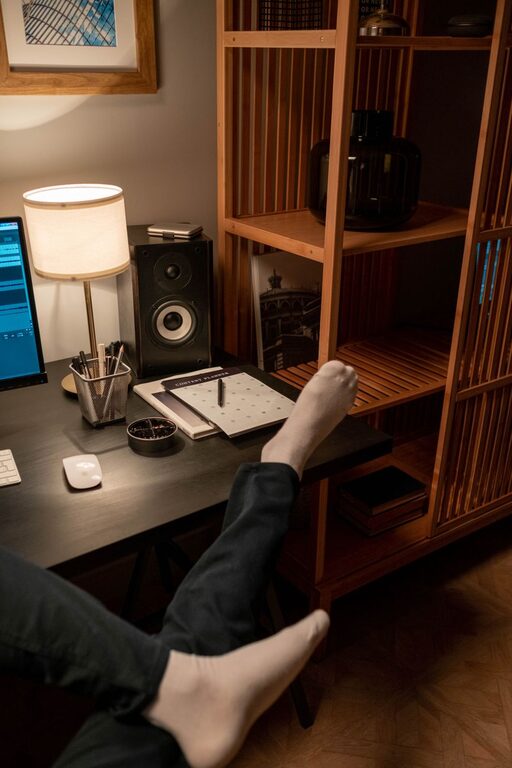
– Task Lighting: Use a desk lamp with adjustable brightness to illuminate your workspace without harsh shadows.
– Avoid Glare: Position screens so they don’t reflect sunlight or overhead lights. Use blinds or curtains to control natural light.
– Warm Light Bulbs: Warm white light bulbs create a cozy feel that’s easier on the eyes than bright, cool light.
Manage Noise Levels
Noise can be a significant distraction or stressor. Find ways to reduce or manage noise in your home office.
– Noise-Canceling Headphones: These are helpful if you can’t control background noise.
– Soft Materials: Carpets, curtains, and cushions can absorb sound and prevent echoes.
– White Noise Machines: Some people find a steady sound, like a fan or white noise machine, helps maintain focus.
Add Elements That Encourage Breaks and Relaxation
Regular breaks are important for productivity and wellbeing. Incorporate features that remind you to step away occasionally.
– Comfortable Seating: Include a small lounge chair or cushion for short relaxation breaks.
– Mindfulness Tools: Keep items like a small diffuser with essential oils, stress balls, or a journal for brief moments of calm.
– Water and Snacks: Keep a water bottle and healthy snacks at hand to maintain energy and hydration.
Maintain a Routine and Personal Boundaries
Having a relaxing home office also depends on how you use the space and your work habits.
– Set Work Hours: Define clear start and end times to avoid overworking.
– Limit Home Distractions: Inform household members of your work schedule to reduce interruptions.
– End-of-Day Ritual: Create a simple routine to signal the end of your workday, such as turning off your computer or tidying your desk.
Keep the Air Fresh and Comfortable
Air quality and temperature affect how relaxing your space feels.
– Ventilation: Open windows when possible to let fresh air in.
– Air Purifier: Consider an air purifier to remove dust and allergens, especially if your workspace is in a closed room.
– Temperature Control: Use fans, heaters, or air conditioners to keep the environment comfortable.
—
Designing a relaxing home office doesn’t require expensive renovations or fancy equipment. Small changes to your environment and habits can make a big difference in how you feel and work throughout the day. Start with these tips, and gradually adjust your space until it truly feels like a peaceful and productive place.